For many people, home is a haven. It is where we spend time with friends and family, where we regroup from the challenges that life throws us, and where we rest and rejuvenate.
But it can also be frustrating when you don’t have enough space, you lack storage, or something just isn’t working the way you want it to.
Most people feel they are not able to afford a professional to help them make the most of their home. But what if I told you that having an interior designer saves you money while creating a beautiful home environment?
All the pressures of beautiful homes in magazines, home tours on blogs and makeover shows on TV can make you feel you are missing out on what your living environment could be. Even if you do know how to put a colour scheme and textiles together and have a natural feel for where furniture should go, you can still benefit from having a trained eye assess your home. Because most people don’t know that a designer is not someone who helps you choose fabric or arrange accessories. A professional designer can see the potential in a home, can add value to your property and help you get the most out of your space.
Before I go into how an interior designer saves you money, let’s first look at how a designer charges you for their services.
In South Africa, the IID (African Institute of the Interior Design Professions) and SACAP (South African Council for the Architectural Professions) offer guidelines on project scope and rates. But because the industry in South Africa is not officially regulated, these are not always enforced. So, it’s important to know how much you’re willing to spend when you decide to engage a designer.

Most designers will work in one of four ways:
Hourly rate
If the project is quite small and requires a few minor adjustments and some technical drawings, your designer might charge you an hourly rate. This can range from R400ph – R1,600ph or more, depending on their level of skill and availability.
Project fee
When there is little or no procurement involved in a project, your designer could suggest a project fee related to a fixed scope. This might be something like layout and services drawings and specs for your kitchen and bathroom, and overseeing the installation or project management. The designer will then quote a flat rate for the work to be done. There is no real guideline on how much this should be, but it is usually related to how much time they think they will need to spend on getting it done.
Percentage of Project Cost
If the project involves significant procurement, your designer will likely propose a percentage fee for purchases. There can be a lot of back-and-forth when it comes to finalising the concept and then choosing the fixtures and finishes, and the hours spent on sourcing the right items for a client quickly add up. Designers get a discount on most related purchases (see notes below) and will charge you either the retail price plus a handling fee or the discounted price plus a handling fee. The exact details of this can be discussed when you appoint your chosen professional.
A Combination of all of these
As I said, the industry only offers guidelines! Many designers prefer a combination of all of these: an initial fee for concept and design, a project cost fee for procurement and project management, and an hourly rate for anything that falls outside of the original scope. It is best to be very clear with your designer when you start the project, and also to have a solid contract that stipulates everything that is (and isn’t!) part of the project. A clearly defined scope and fee structure will help to protect you both.
Now that you know how a designer charges, let’s look at how an interior designer can save you money!
1) A designer can help you avoid costly mistakes
You know that sinking feeling when the new addition to your living space has plugs everywhere except where you want them? Or when your newly fitted kitchen doesn’t have drawers big enough to fit your extra-large cookware? An experienced designer considers your specific needs and lifestyle. It is their job to think of the things that you haven’t.
2) The Technical Details Get Taken Care of
Electrical, plumbing, lighting, HVAC – all of these contribute to getting the most out of your home. A trained designer understands the technical jargon of the contractors on a job site. This makes them an invaluable asset on your project. They will not only help you to think through the uses of the room to create the optimal layout for all components involved, but also create the technical drawings required to get it built.
3) Discounted services and materials
One of the most obvious ways an interior designer saves you money is with a designer’s discount. This is a special rate that most specialist retailers of homeware, fabric, sanitary fittings, electrical fittings and more offer to designers as an incentive to specify their products on their projects. The discounts can range from 5 – 50%, depending on the retailer. Some designers do open invoicing. This is where they charge the client their discounted rate, plus a handling fee of between 8 – 20%. I go into more detail on that below. Designers can also be registered as contractors with hardware stores, enabling them to purchase building materials at a reduced rate.
So, by paying someone to help you source goods for your home, you actually pay less.
4) The Latest and the Greatest
This might not seem like a cost-saving, but designers are regularly invited to trade-only product launches and events. This allows them to be at the forefront of new advances and technology in their field, ensuring you have access to the latest offerings on the market.
5) Time is – TOTALLY – money
Everyone wants more time and more money. The amount of time a designer can spend on a project is staggering. It can take weeks to put together a concept and a layout and do the detail design and technical drawings. Then they still have to find that perfect sofa, get the right fabrics, and try out different paint swatches. They also communicate with contractors and suppliers and spend time with you to bring your vision to life.
A designer saves you the time and money that you would have spent doing all of that.
6) Pre-Qualified Contractors
A designer is only as good as their last project, so it is in their best interest to only use contractors, tradesmen, and artisans they trust. By allowing them to use and manage their own list of professionals, you are set up for a beautiful result.
I hope that this has shed some light on the myth that interior designers are expensive. Your home is an investment. The right interior designer saves you money while helping you create a financial and lifestyle asset. Contact me here to find out more about getting a professional interior design service.

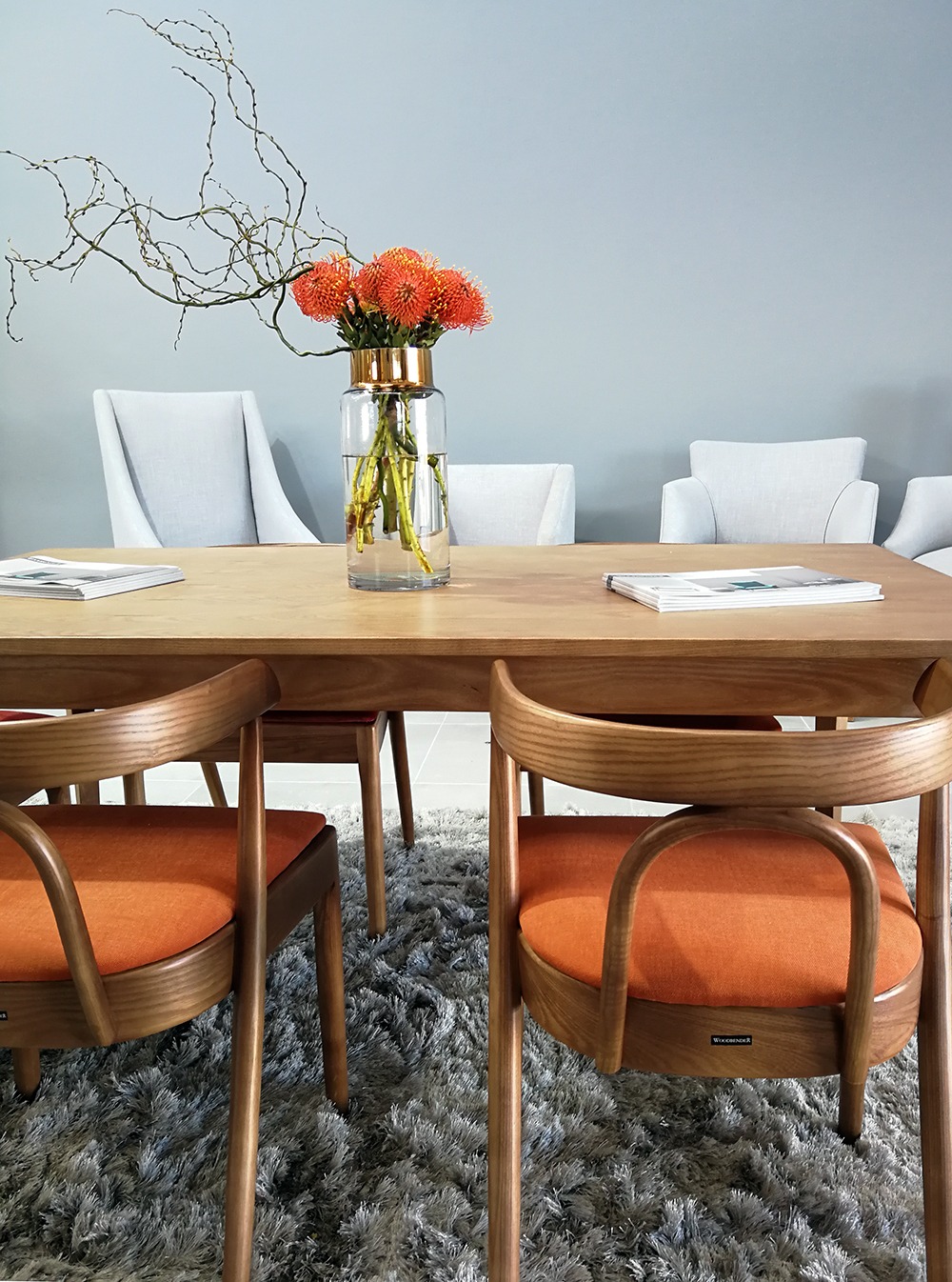
PS: the gorgeous feature image was taken at Woodbender‘s showroom in Strand. Just one of the many suppliers we LOVE to work with!